Tag Emotional States in Real Time
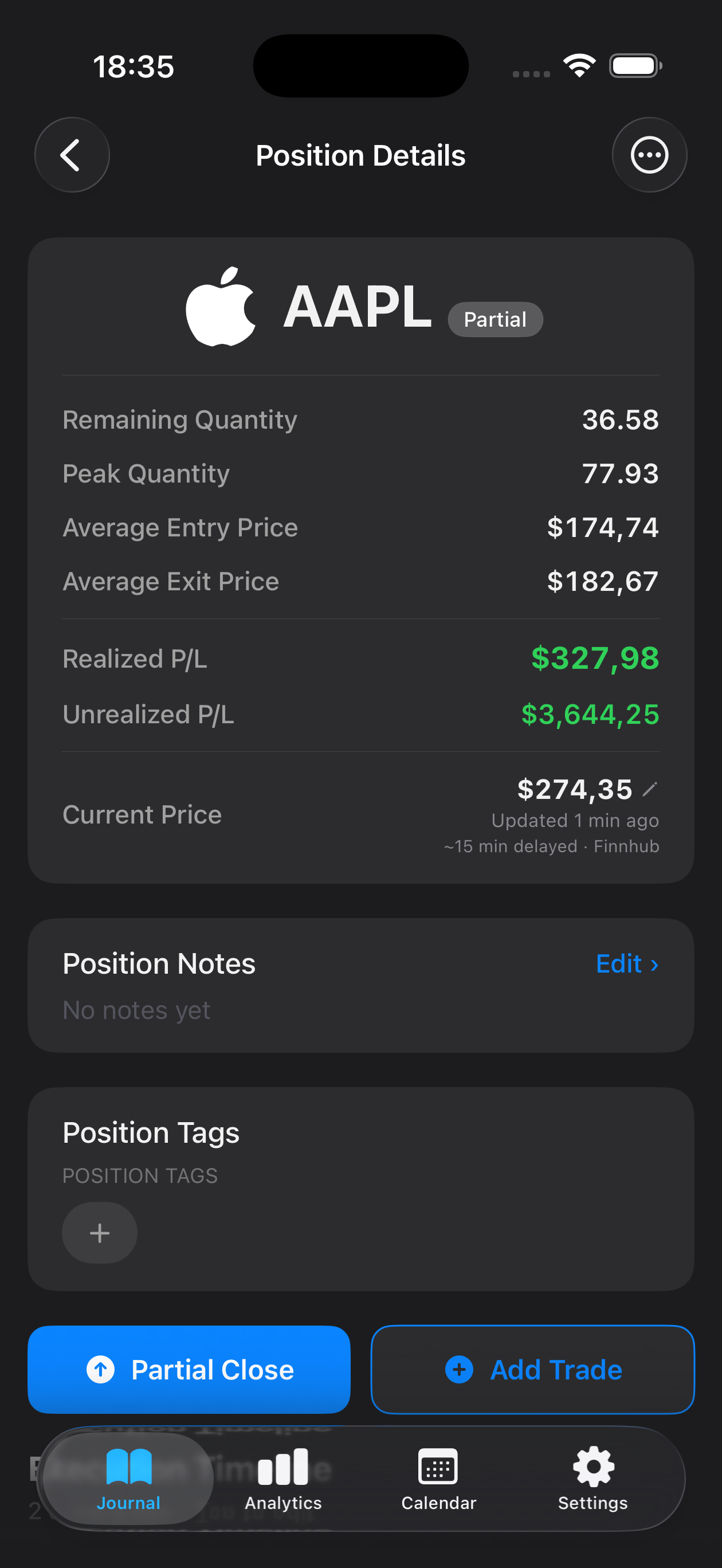
Add tags like "frustrated," "revenge," or "tired" to each trade so you can later filter and review every entry made under emotional duress, isolating the exact triggers that lead to tilt.
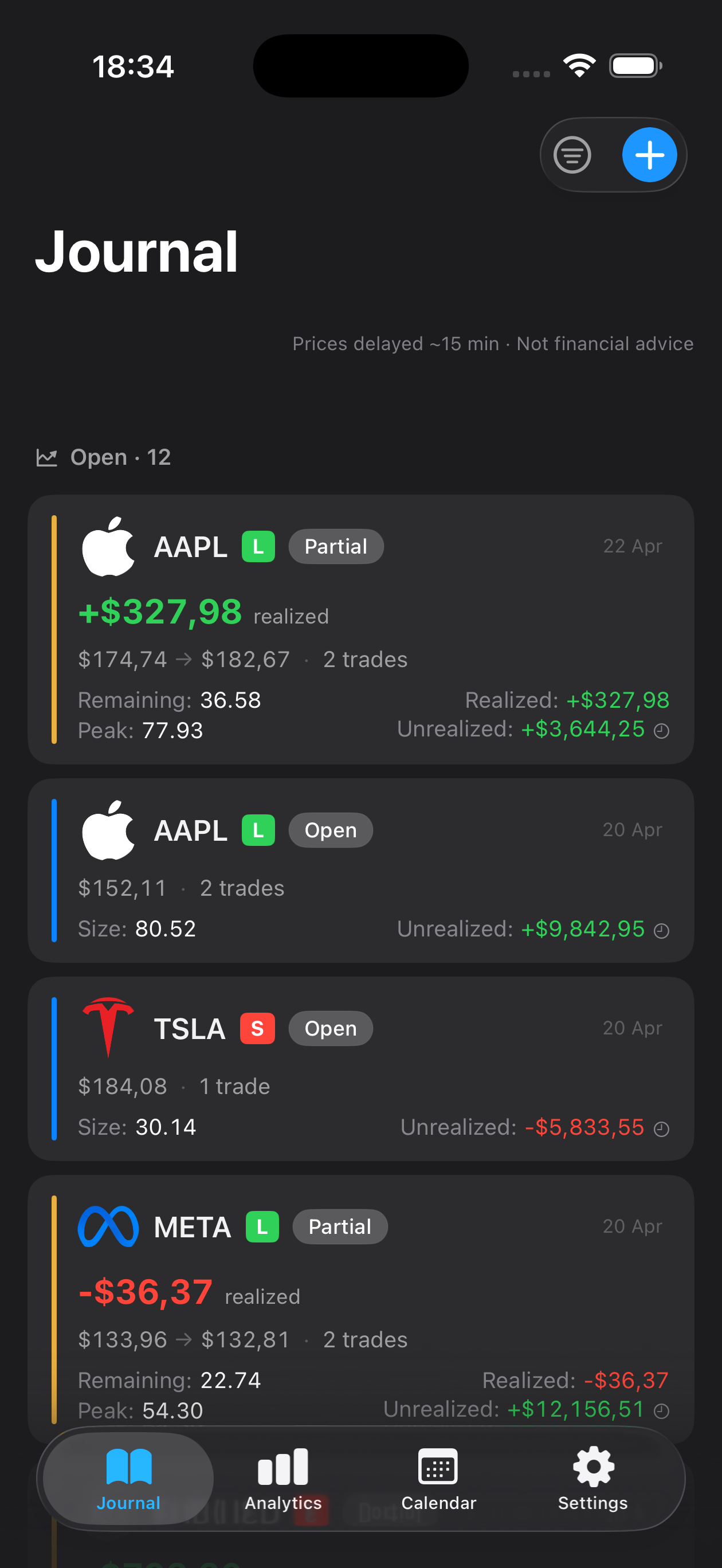
Tilt trading refers to the dangerous state where emotional frustration overrides rational decision-making, causing traders to abandon their plan and chase losses with impulsive, oversized bets. Whether triggered by a string of stop-outs, a missed move, or personal stress, tilt spirals quickly—turning manageable drawdowns into account-threatening events. Mantis gives you a structured framework to capture every trade and the emotional context behind it, helping you identify the warning signs of tilt before it destroys your capital. By reviewing patterns in your behavior, position sizing, and rule breaks, you build the self-awareness needed to step away when frustration mounts. All your trade data, notes, and screenshots stay private on your device—no cloud sync, no external servers—so you can honestly document your worst moments without fear of exposure.
Opens the App Store
Add tags like "frustrated," "revenge," or "tired" to each trade so you can later filter and review every entry made under emotional duress, isolating the exact triggers that lead to tilt.
Log whether you followed your max-loss rule, position-sizing limits, or setup checklist. Mantis surfaces how often you break your own rules when emotions spike, turning vague regret into measurable data.
Filter trades by outcome and date to spot consecutive losses that typically precede tilt episodes. Recognizing the pattern early lets you pause, walk away, or reduce size before the spiral begins.
Capture the chart or order ticket from a tilted trade. Visual proof of poor setups—entries with no edge, stops placed arbitrarily—makes denial impossible during your next review session.
Compare performance metrics for trades tagged "calm" versus "angry" or "FOMO." When the numbers confirm that emotional trading destroys your edge, behavior change becomes non-negotiable.
Use notes and templates to enforce a mandatory pause before each trade: confirm setup, check emotional state, verify position size. A checklist interrupts the automatic impulse that defines tilt.
By tagging emotional states and logging rule breaks immediately after each trade, you create a dataset that reveals your personal tilt triggers—specific loss counts, times of day, or market conditions. Reviewing this data weekly trains you to notice the early warning signs in real time, giving you a chance to stop trading before frustration turns into a blowup.
Yes. Mantis lets you backfill trades with full context: entry and exit prices, screenshots, emotional tags, and notes about what you were feeling. Reconstructing a tilt session—even hours later—still provides the accountability and pattern recognition you need to prevent the next one.
Focus on frequency of rule breaks, percentage of trades tagged with negative emotions, and performance comparison between calm versus emotional states. Also track the number of days you successfully stopped trading after hitting your daily loss limit—that adherence metric is a direct measure of tilt control.
Absolutely. All trades, notes, tags, and screenshots are stored locally on your device only—no cloud sync, no backup to external servers. Your most vulnerable, frustrating trading moments stay completely private, encouraging the brutal honesty required to overcome tilt.
Log every trade immediately, then set a personal rule in your notes: after X consecutive losses or a drawdown of Y%, close Mantis and walk away for a set time. Reviewing your journal before reopening a position forces a deliberate pause, breaking the automatic cycle of revenge trading that defines tilt.
Important: Mantis is a trading journal and analytics tool. This page is not investment advice, not financial advice, and not a recommendation to buy or sell any security or instrument. Trading involves risk; past performance does not guarantee future results. Consult a qualified professional before making financial decisions.