What this cluster covers
This is the map of Mantis trading journals — not a single article, and not a dump of every spoke at once. The cluster is split three ways because that is how traders actually look for a journal: by the market they trade, by the way they take trades, and by the numbers they use to judge whether the work is paying them. Each path leads to a dedicated hub, and from there to pages written for one instrument, one strategy, or one metric.
The instrument path is for people who already know the product they trade. Bitcoin does not behave like EUR/USD. Gold does not behave like AAPL. Session hours, overnight gaps, news cadence, and typical holding times all change what is worth logging and what a useful review looks like. Those pages sit under journals by instrument.
The strategy path is for people who identify with how they trade more than with a ticker. Scalping, day trading, swing trading, position trading, options, and the psychology pages (FOMO, revenge, overtrading, tilt, emotional control) each need a different journaling rhythm. A scalper who logs once a week is not journaling. A position trader who logs every tick is drowning in noise.
The metric path is for people who already keep a journal — spreadsheet, notes app, or Mantis — and want to know which numbers to trust. Win rate without average win and loss is a vanity statistic. Max drawdown without recovery factor hides how long pain lasted. Those how-to pages sit under journals by metric.
How to choose within it
Start with the question you would actually type into search. If it names a market — Bitcoin, gold, Nasdaq-100 — open the instrument hub. If it names a style — scalping, swing, news trading, prop — open the strategy hub. If it names a statistic — profit factor, R-multiple, Sortino — open the metric hub. Do not collect all three on the first visit. Pick the door that matches the decision in front of you.
If you trade more than one market or more than one style, still pick one hub first. Mixed books hide the leak. Tag the account or the session in Mantis so you can filter later, but use this index to choose a single spoke to read today. The goal of a hub is orientation, not a reading list you will never finish.
A useful rule: if you cannot describe your last ten trades in one sentence, start with strategy or psychology, not metrics. Numbers will not tell you why you took a revenge trade. If you can describe the setup but not whether it pays, start with metrics. If the setup is sound and the book is still leaking, start with the instrument page for the market that dominates your volume.
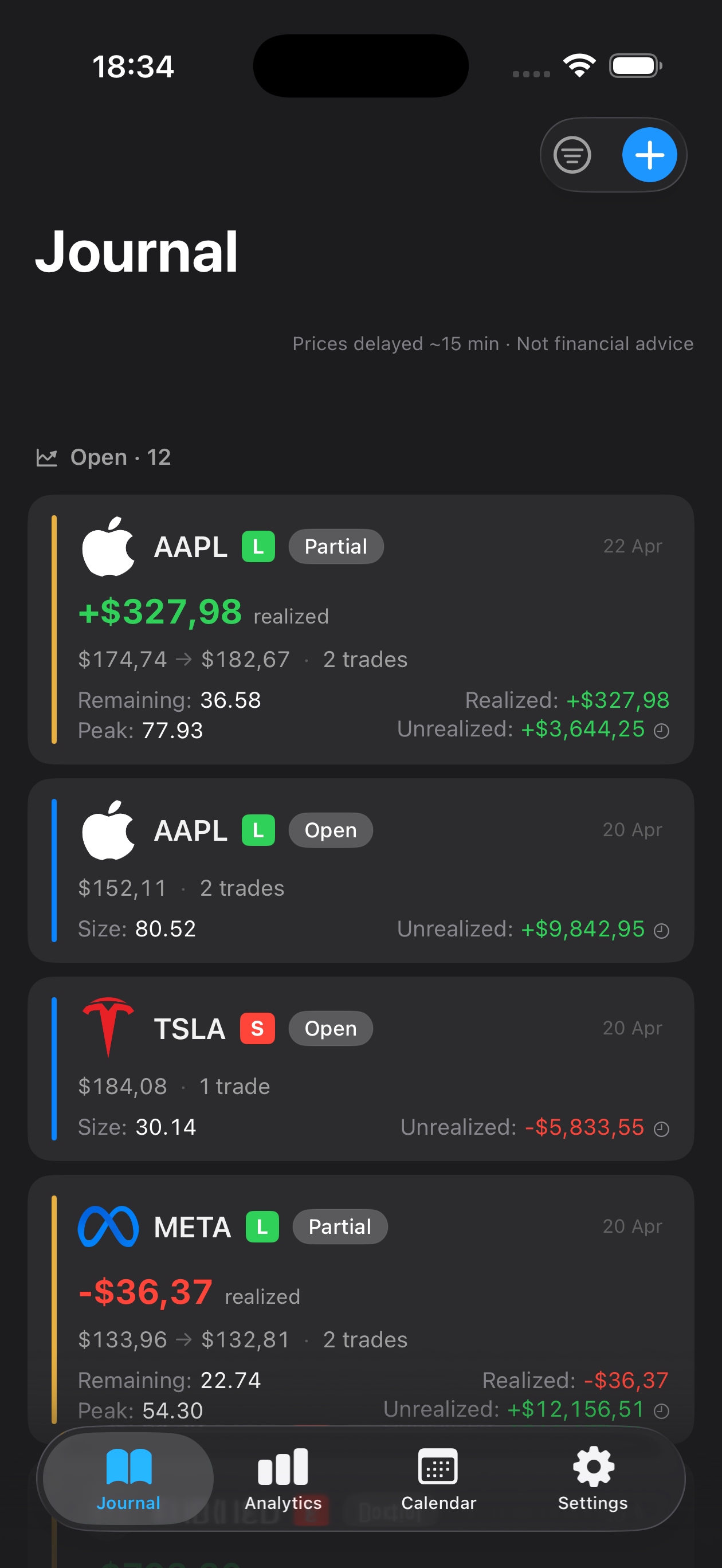
These pages do not give signals, picks, or a system. They tell you what to record so you can see your own edge — or the absence of one — on your iPhone, on your device, with no account required.
What each child page answers
The instruments hub lists every market journal we have published: crypto (Bitcoin, Ethereum, Solana), forex (EUR/USD, GBP/USD, USD/JPY), commodities (gold, silver, crude oil, natural gas, copper, wheat, platinum), and equities and index products (AAPL, S&P 500 ETF, Nasdaq-100). Each child page answers: what is distinctive about journaling that market, which fields matter, and how Mantis is used for that book.
The strategies hub lists style journals: active trading (scalping, day trading, momentum, breakout, news), swing and position work (swing, range, trend following, position, long-term investing), specialised books (options, futures, forex as a style, crypto as a style, pairs, event-driven, algo, prop), and psychology (the trading psychology app, FOMO, revenge, overtrading, tilt, discipline, impulsive trading, reversal). Each child page answers: what a journal for that style must capture, where traders in that style usually leak, and which reviews to run.
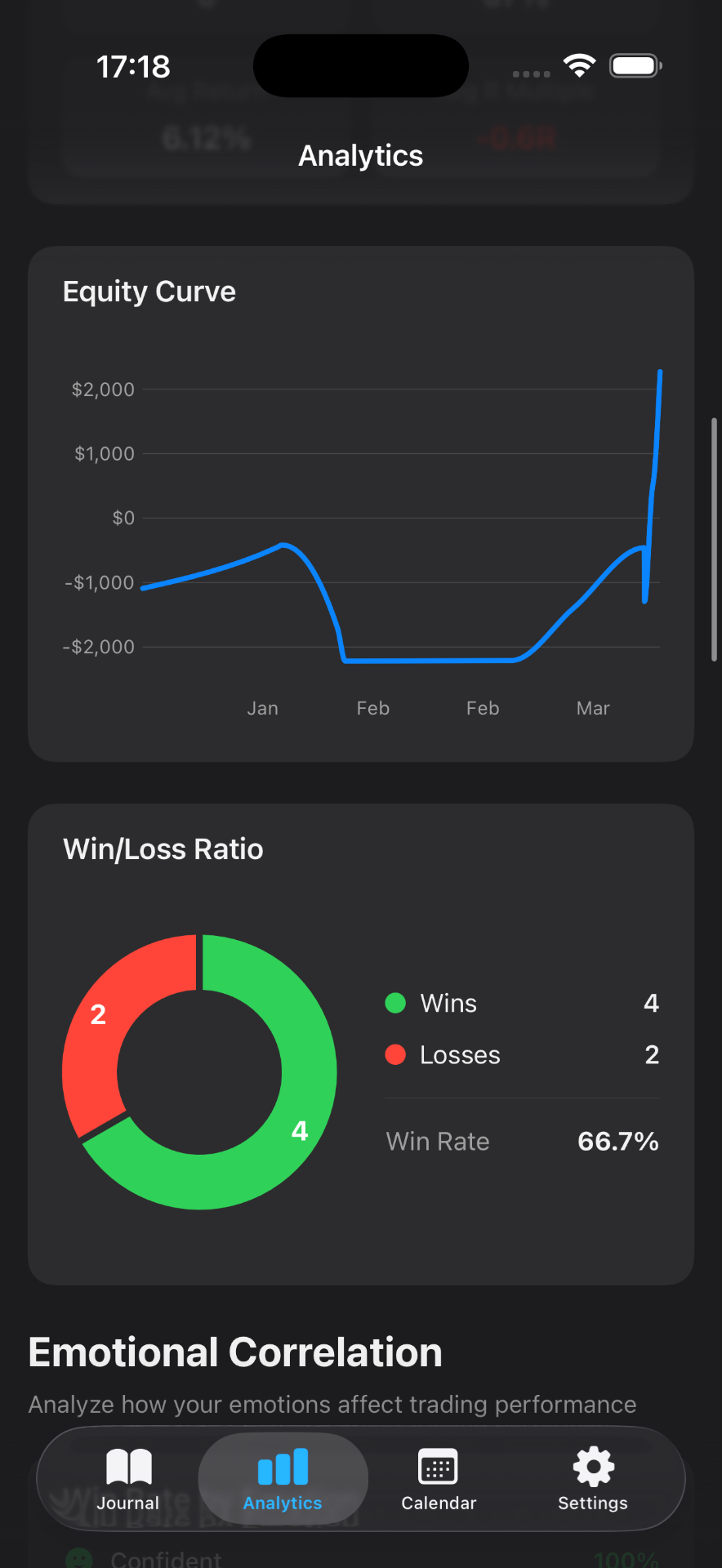
The metrics hub lists how-to guides, not definitions. Performance (win rate, expectancy, profit factor, average win/loss, Sharpe, Calmar, Sortino, recovery factor), risk (R-multiple, max drawdown, risk-reward, market exposure, correlation, volatility), and activity (trade frequency, holding time, sector allocation). Each child page answers: how to calculate the number, how to read it without fooling yourself, and how to track it in Mantis.
If you need the definition of a term before the how-to, use the trading terms glossary. Those pages sit at /what-is/ and are written for people who are still learning the vocabulary. Come back here when you know the word and want the journal built around it. The three hubs below are the indexes. Use them.