What this cluster covers
This hub indexes journals by how you take trades, not by ticker. Two people can trade the same EUR/USD chart and need completely different logs: one is in and out in minutes, the other holds through the week. Strategy pages exist so the journal matches decision frequency, holding time, and the failure mode that actually kills the book.
Active-trading pages cover scalping, day trading, momentum, breakout, and news trading — styles where the day is the unit of work and missed process shows up before the week is over. Swing and position pages cover swing trading, range trading, trend following, position trading, and long-term investing, where the leak is often patience, add-ons, and thesis drift rather than execution speed.
Specialised pages cover options, futures, forex-as-a-style, crypto-as-a-style, pairs, event-driven, algorithmic, and prop trading. Those books have extra fields (Greeks, expiry, roll, mandate rules) that a generic blotter will not remind you to fill. Psychology pages cover the trading psychology app, FOMO trading, revenge trading, overtrading, tilt, discipline, impulsive trading, and reversal trading — not because feelings are a strategy, but because they are the reason a written strategy gets abandoned.
How to choose within it
Name your holding time first. If trades usually die the same session, start with scalping or day trading. If they live overnight to a few days, start with swing. If they live weeks to months, start with position trading or long-term investing. Holding time is a better first filter than a label you like the sound of.
Then name the decision that actually starts the trade. Breakout, range fade, news, event, pair, options structure — if you cannot name it, you do not have a strategy yet, and the psychology pages will be more honest than a style page you picked for branding. Prop traders should open the prop page when the constraint is a firm rule, not a setup.
If the last month’s losses cluster after a loser, after a missed move, after a winning streak, or after too many fills, open FOMO, revenge, overtrading, tilt, or the trading psychology app before you rewrite the setup. Process pages do not replace a positive expectancy. They stop you from destroying one you already have.
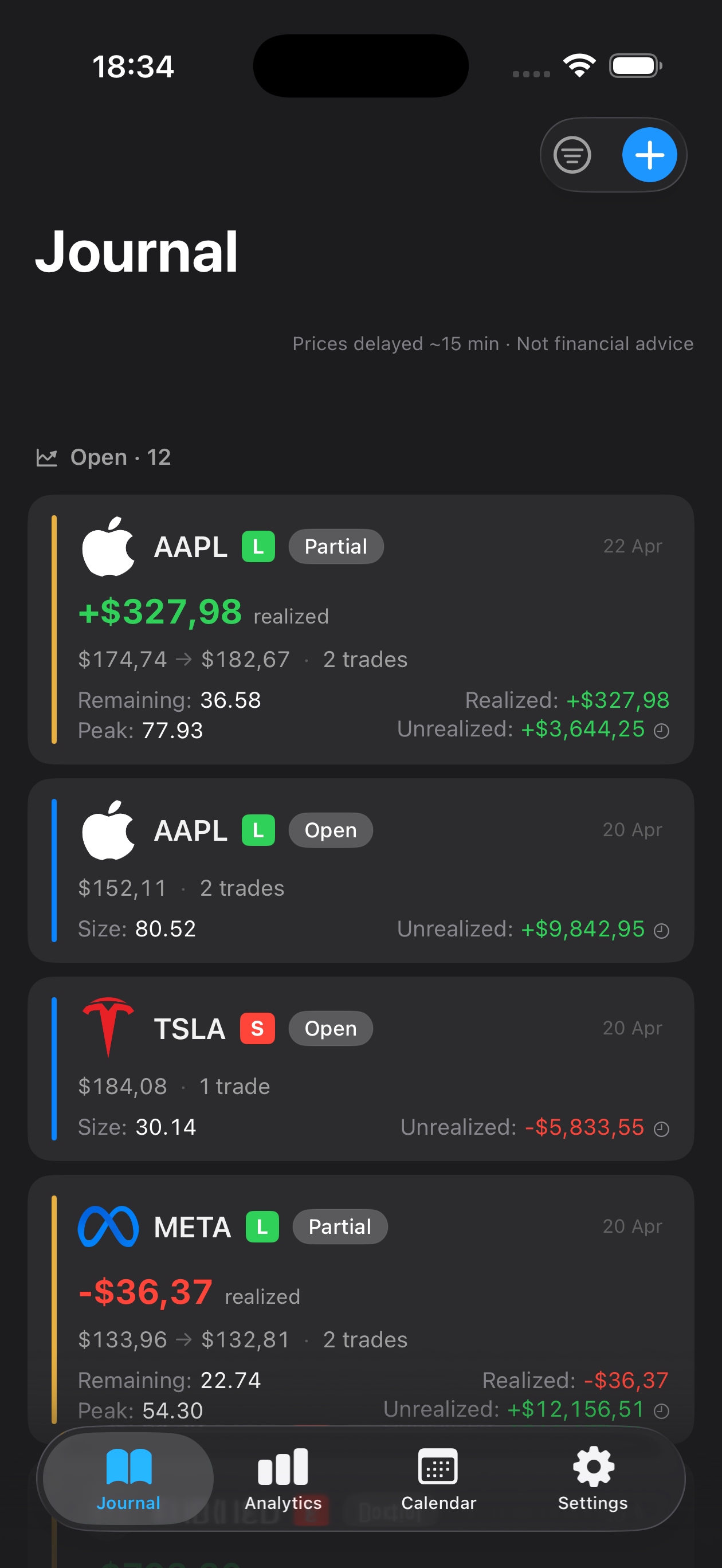
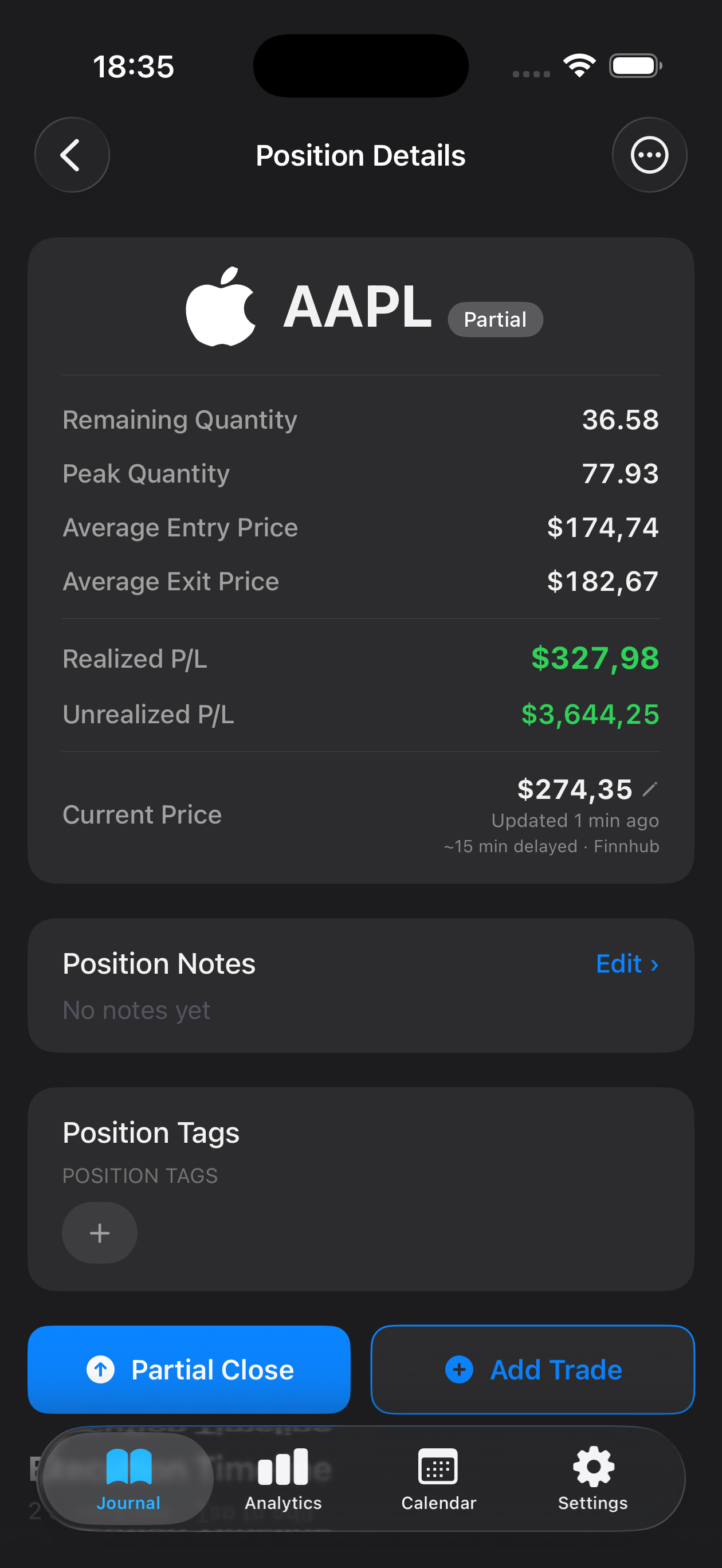
Read one child, not five. A strategy hub that becomes a pile of open tabs is the same failure as a spreadsheet with twenty unused columns. Pick the page that matches how you traded this week, then log that way in Mantis. If this week was mixed — a scalp on Monday and a swing on Thursday — review them as two books, not one blended story.
What each child page answers
Scalping and day-trading pages answer: what to log when you cannot write an essay per fill, how to review a high-frequency day without lying with averages, and where overtrading shows up. Momentum, breakout, and news pages answer: how to journal the catalyst and the invalidation, not just the entry.
Swing, range, trend-following, position, and long-term pages answer: what to record between sessions, how to catch thesis drift, and which reviews belong on a weekly cadence instead of a daily one. Options, futures, pairs, event-driven, algo, forex-style, crypto-style, and prop pages answer: the extra fields and constraints those books require so a generic log does not hide the real risk.
The trading psychology app, plus FOMO, revenge, overtrading, tilt, discipline, impulsive, and reversal pages, answer: what to write down in the minute you break your rules, how to correlate emotion tags with P/L, and which patterns usually precede a blown day. They are still journals, not therapy, and they do not promise you will stop feeling the impulse — only that you will see the cost.
Cards below are the full strategy pages. This hub stays an index: use it to choose, then leave. If you actually needed a market page or a metric how-to, go back to the parent trading-journals hub and take that door instead.