What this cluster covers
This hub is the instrument index: one journal page per market we have published, grouped the way traders actually specialise. Crypto, forex, commodities, and equities are not the same job. They share a blotter. They do not share session structure, gap behaviour, or the news that moves them. A journal that treats them as interchangeable produces averages that describe nobody.
Crypto pages cover Bitcoin, Ethereum, and Solana. Those books run all week, gap on their own calendar, and punish position size that was sized for an equity open. Forex pages cover EUR/USD, GBP/USD, and USD/JPY — session overlaps, rollover, and the difference between a London morning and a New York afternoon. Commodities pages cover gold, silver, crude oil, natural gas, copper, wheat, and platinum, where inventory, season, and dollar moves sit on top of technicals. Equities and index products cover AAPL, the S&P 500 ETF, and Nasdaq-100, where earnings, overnight gaps, and cash-session liquidity dominate the log.
Each child page is a market journal, not a trade idea. You will not find setups, alerts, or a claim that one ticker is better than another. You will find what to write down so that a month of that market is reviewable: session, catalyst, size, emotion, and result in one place.
How to choose within it
Choose the page for the market that makes up most of your volume, not the one you wish you traded. If 80 percent of your executions are BTC and the rest is gold, read the Bitcoin journal first. Mixed reviews are how people convince themselves a losing crypto book is rescued by two gold winners.
If you rotate, still pick one page per review cycle. Ask: which session do I actually trade, what is the typical holding time, and what news can gap me. A London FX scalper and a New York metals swing trader should not use the same review template. The instrument page is there to name those differences before you copy someone else's spreadsheet columns.
Volatility and hours are the practical filters. All-session crypto needs a timestamp you trust and a rule for when a day starts. Cash equities need a gap note. Oil and gas need a place for inventory prints. If you cannot name those on the page you opened, you opened the wrong child.
Do not start here if you do not yet know how you trade. Strategy and psychology pages will do more for a trader who cannot describe their last ten setups. Come back to this hub when the market itself is the variable you need to isolate — the product on the screen, not the story you tell about your style.
What each child page answers
Crypto children (Bitcoin, Ethereum, Solana) answer: how to log a 24/7 book, how weekend liquidity changes the meaning of a stop, and which fields stop you from treating a leverage spike as skill. Open one of those cards if that is the tape you sit on.
Forex children (EUR/USD, GBP/USD, USD/JPY) answer: how to journal by session overlap, what to record around central-bank days, and why pip math without R-multiple still leaves you blind. Use them if your edge is supposed to live in FX, not in a blended account.
Commodities children (gold, silver, crude oil, natural gas, copper, wheat, platinum) answer: how inventory, season, and dollar beta show up in a journal, and which reviews catch the habit of adding size into a news spike. Equities children (AAPL, S&P 500 ETF, Nasdaq-100) answer: earnings and gap protocol, cash-session versus overnight risk, and how index products differ from single names in a log.
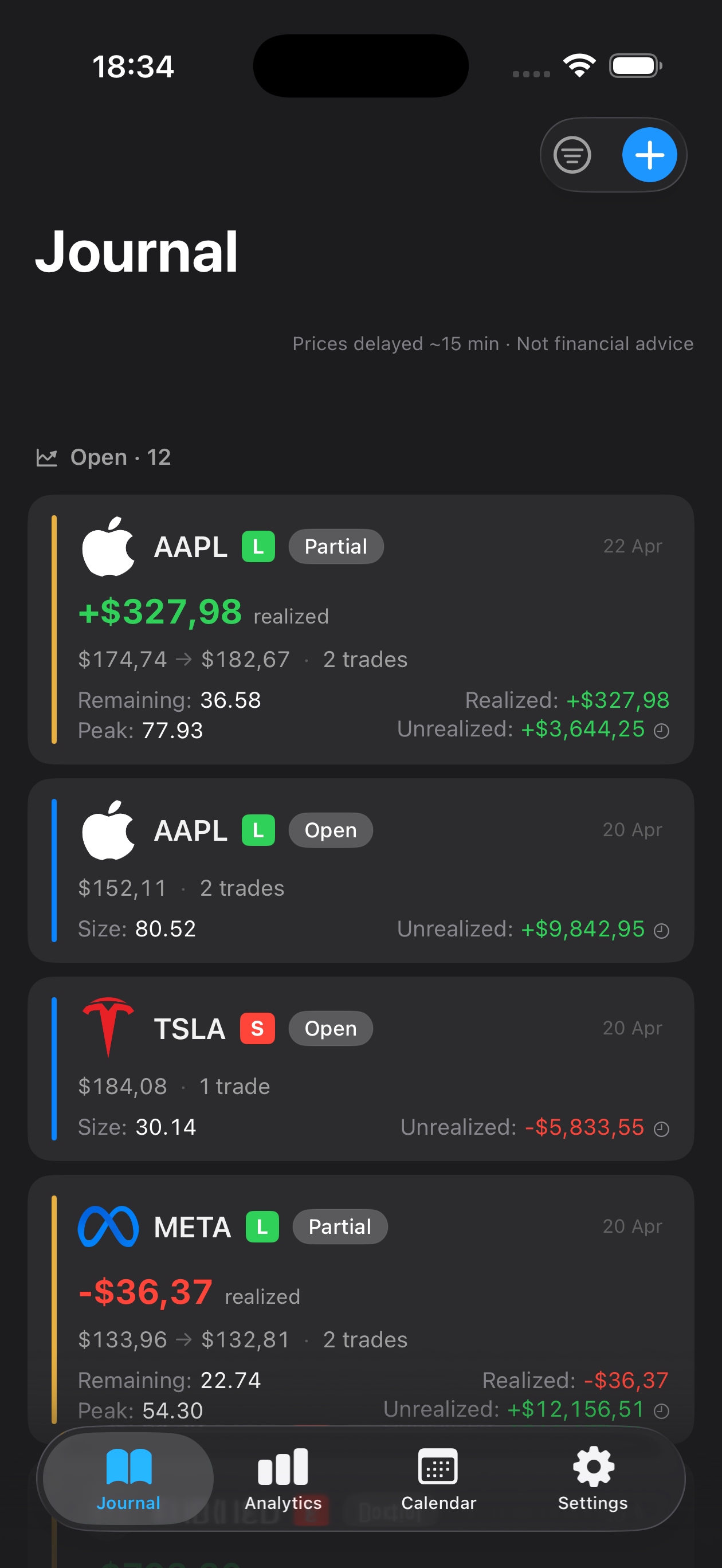
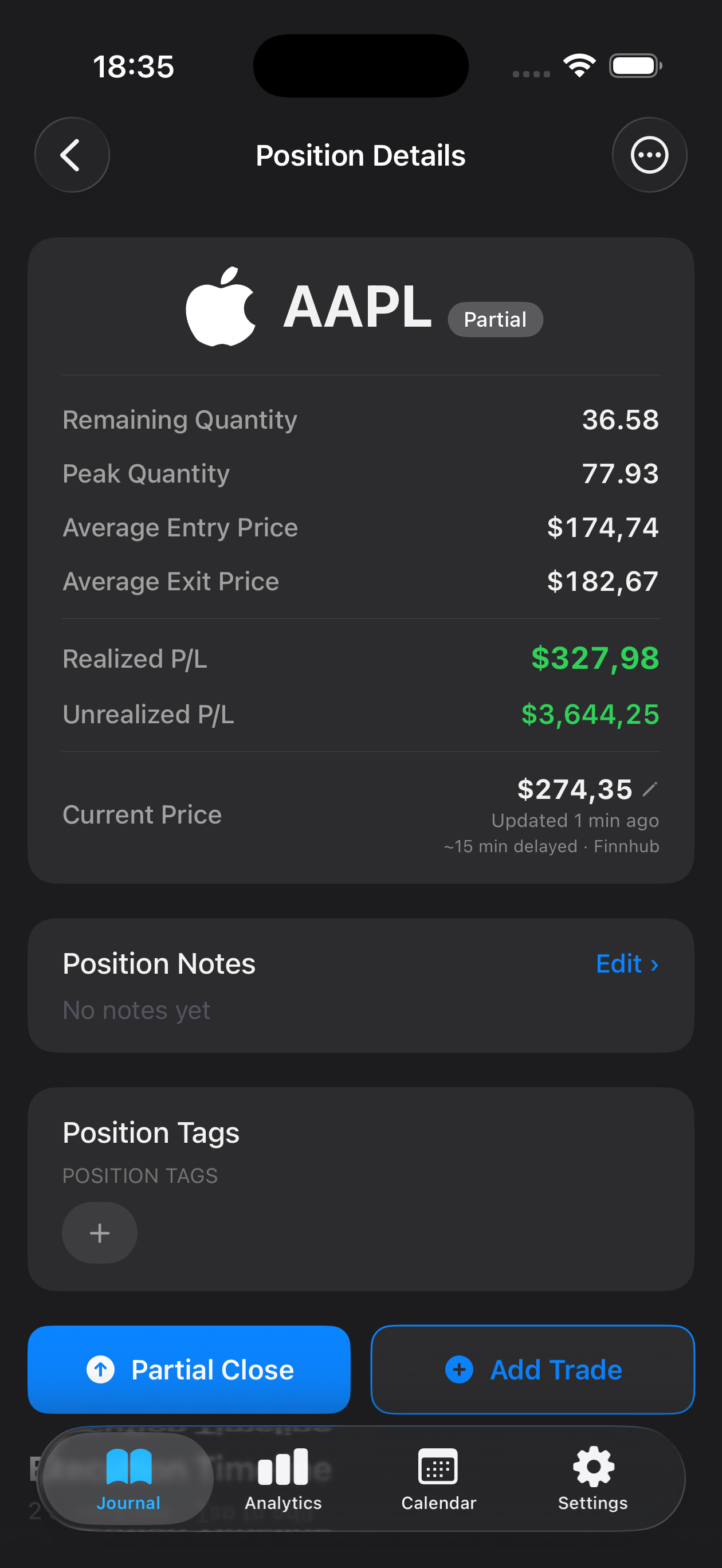
Every card below is a full page, not a blurb. This hub is the index: pick the market, read that page, then log in Mantis against that market — not against a generic “trades” bucket. The parent trading-journals hub is one level up if you meant to choose by strategy or by metric instead.