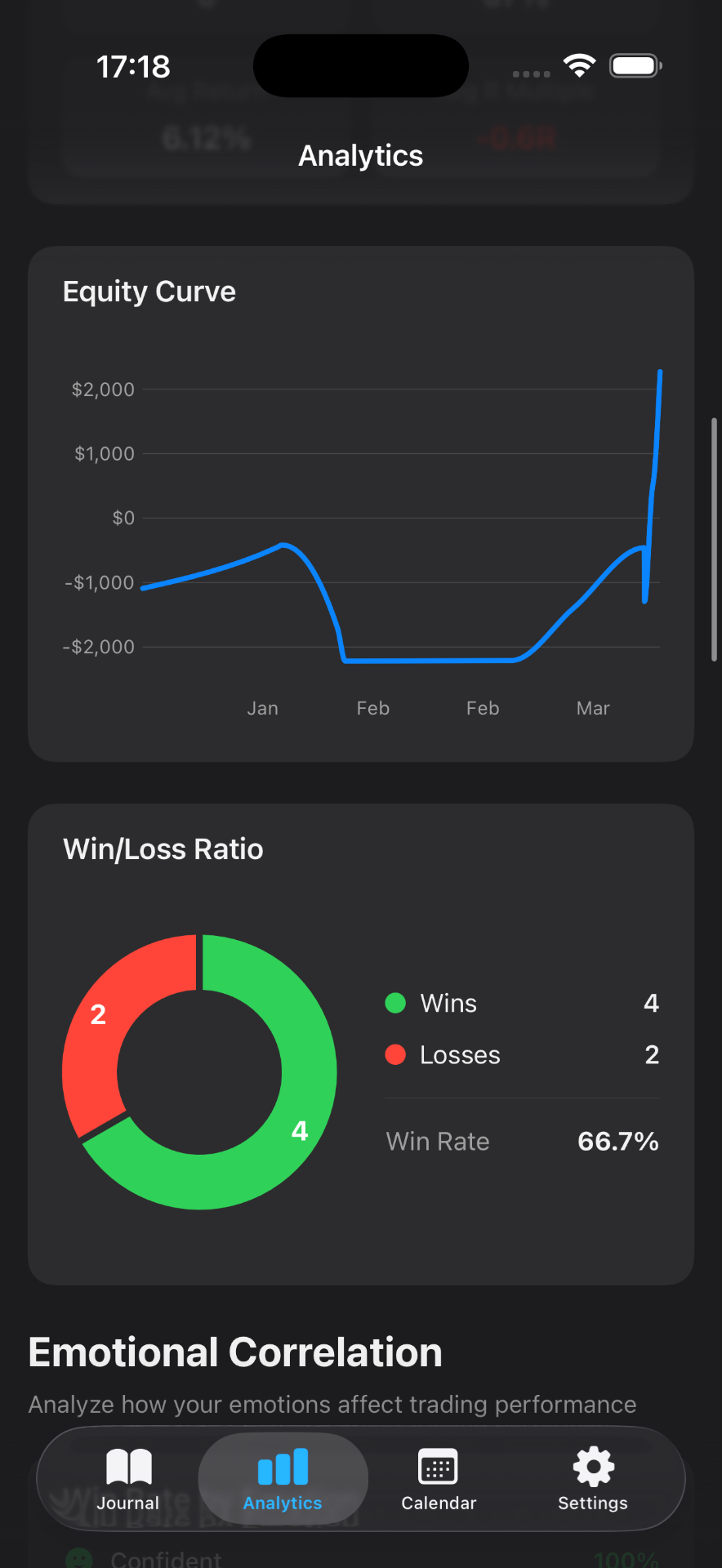
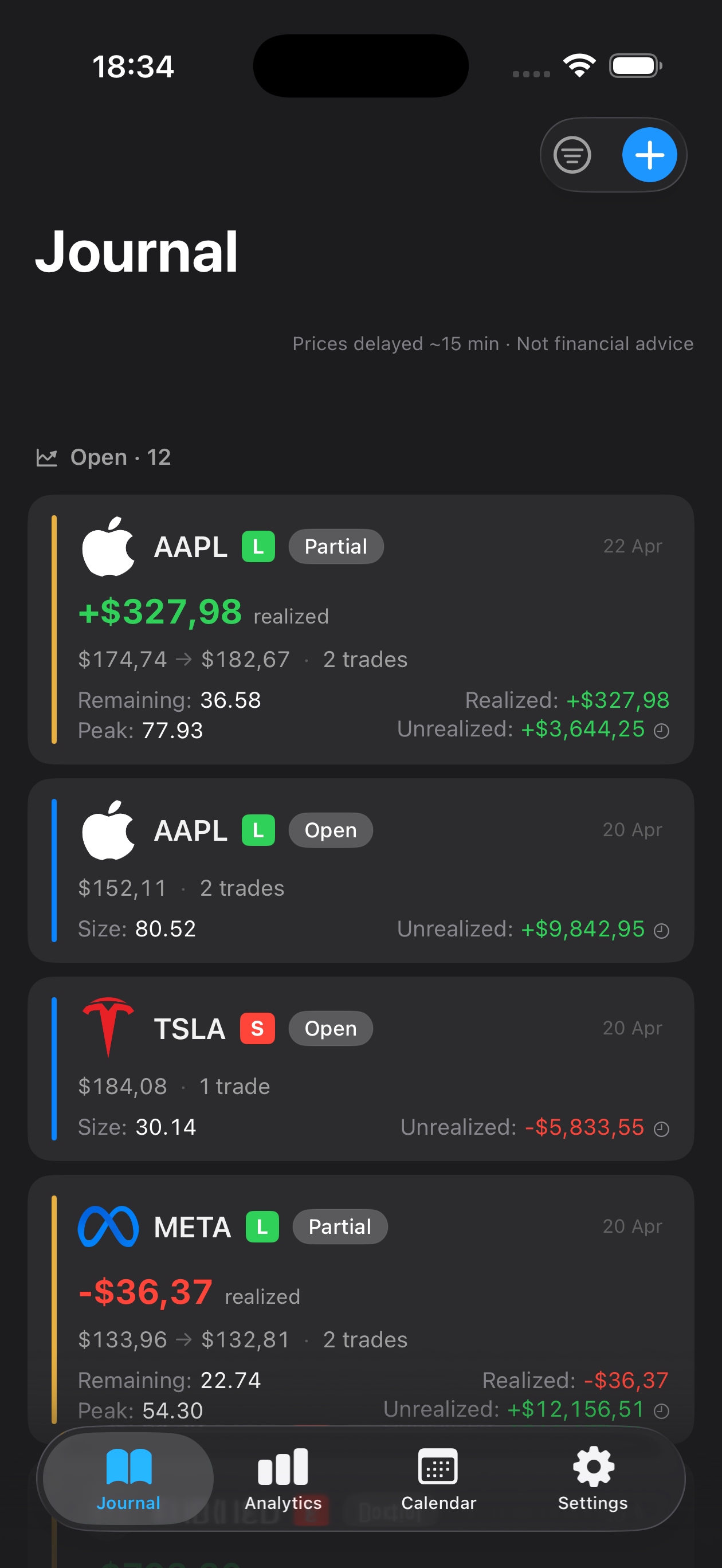
What this cluster covers
This hub is the glossary: plain-English definitions of the terms traders hit first when they start journaling. Pages live at /what-is/{term}/, not under /pseo/. They are written for people who need the meaning, the formula, and a worked example before they care about a product screen. Mantis tracks the numbers automatically once you log trades; these pages exist so you know what you are looking at.
Most terms here are metrics: win rate, risk-reward ratio, max drawdown, recovery factor, R-multiple, profit factor, expectancy, Sharpe ratio, Calmar ratio, and Sortino ratio. One term is the tool itself — what a trading journal is — because a large share of searchers are still asking that, not asking how to compute Sortino. Each definition page links onward to the matching how-to when one exists.
This is not the how-to hub and not the market hub. If you already know the term and want to track it, use trading journals by metric. If you want a journal for Bitcoin or scalping, use the journals index. Stay here when the job is vocabulary.
How to choose within it
If you cannot explain the term out loud in one sentence, open its definition here. If you can explain it but cannot compute it from your last twenty trades, leave this hub and open the how-to. Mixing those intents is how glossary pages get stuffed with product tours and how-to pages get stuffed with textbook restatements.
Start with trading journal if you are still deciding whether to log at all. Start with win rate and risk-reward if you have a blotter but no stats. Start with expectancy and profit factor when win rate has started lying to you. Start with max drawdown, recovery factor, R-multiple, and the ratio pages (Sharpe, Calmar, Sortino) when the path of the equity curve is the thing you do not understand.
You do not need to read all eleven. Glossaries that are treated as courses do not get finished. Pick the word that showed up in a recap, a Discord, or a dashboard you do not trust, read that page, then follow the “see also” link if you are ready to track it in Mantis. One term, understood, beats a skim of the whole list.
These pages are not investment advice and not a ranking of which metric is “best.” A high win rate is not a personality. A low drawdown is not a guarantee. The point of a definition is to stop you using the word as a slogan.
What each child page answers
What is a trading journal answers: what belongs in the record (entry, exit, size, plan, emotion, result), why a notes app usually fails, and how an iPhone journal differs from a desktop blotter. Use it if you are still at “should I log.”
Win rate, profit factor, and expectancy pages answer: the formula, a numeric example, and the trap of reading one number alone. Risk-reward ratio and R-multiple pages answer: planned versus realised risk, and why a 2:1 sticker on the chart is not the same as the R you actually took. Max drawdown and recovery factor answer: peak-to-trough meaning, why a hole is not the same as a single losing trade, and whether net profit actually covered that worst drop.
Sharpe, Calmar, and Sortino pages answer: return relative to volatility or to worst drawdown, what “downside only” means for Sortino, and when a ratio is the wrong scoreboard for a sparse trade sample. Each of those definition pages points at the matching how-to-track guide when you are done with the vocabulary.
Cards below are the full definition pages. This hub stays an index with enough orientation that a first visit is not a dead end. After you know the word, go to the metric how-tos or back to trading journals if you need a market or a strategy instead.
All 11 terms
Important: Mantis is a trading journal and analytics tool. This page is not investment advice, not financial advice, and not a recommendation to buy or sell any security or instrument. Trading involves risk; past performance does not guarantee future results. Consult a qualified professional before making financial decisions.